

The Timeless Elegance of Seed Pearls in Victorian & Regency Jewellery

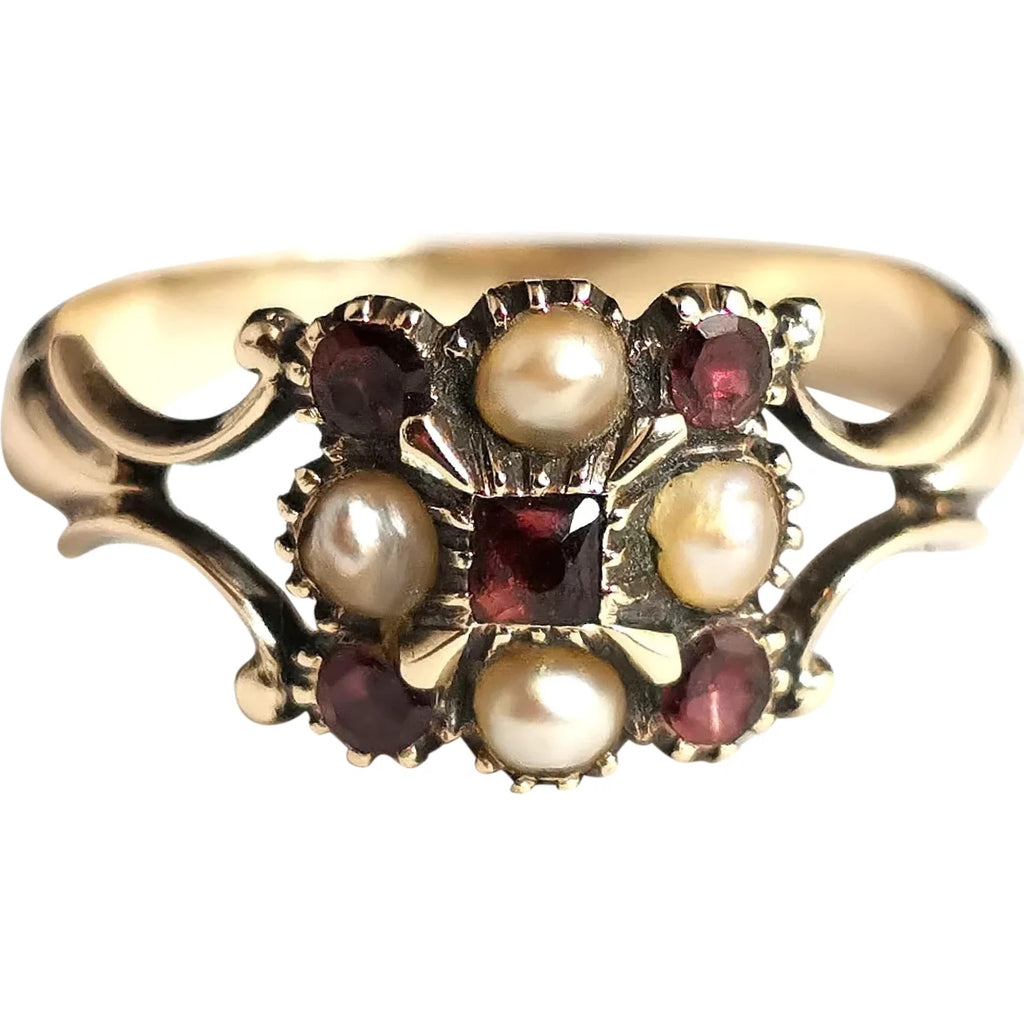
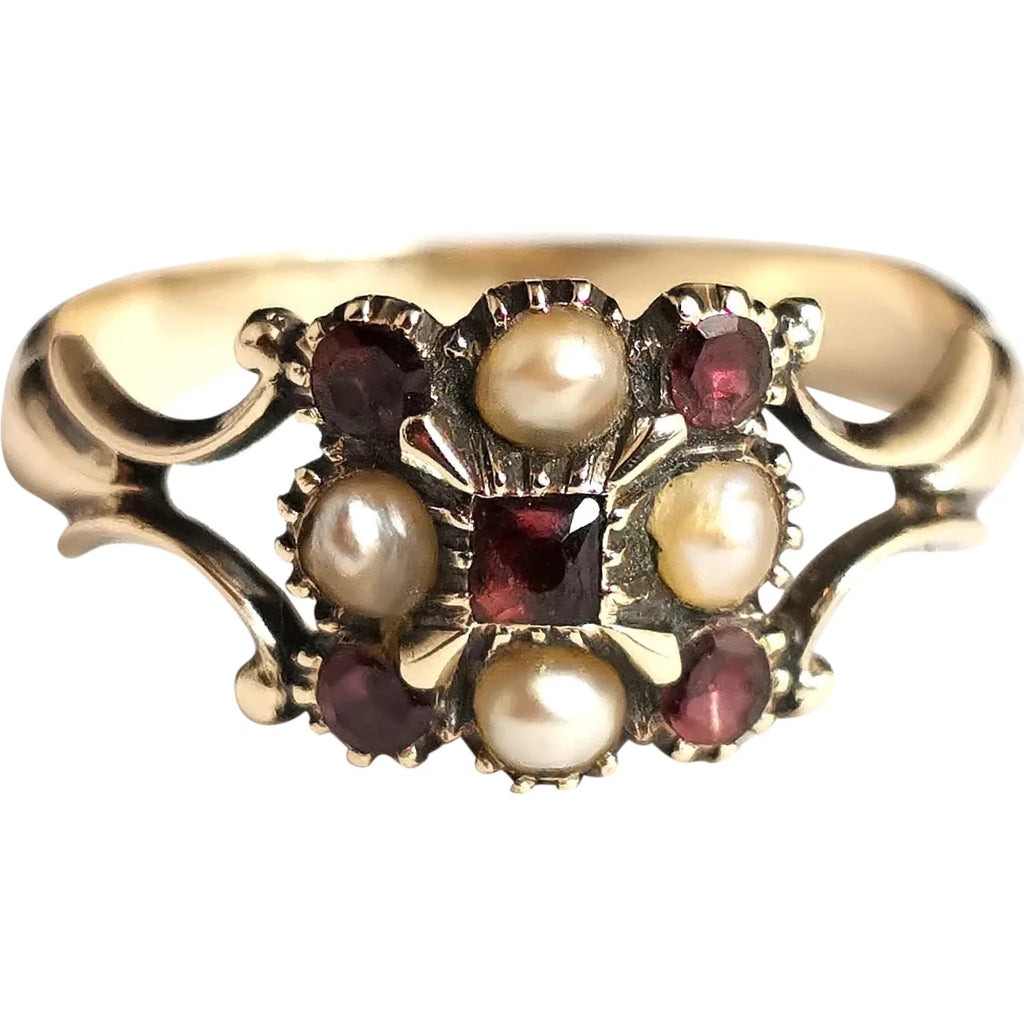
Delicate, luminous and intricately set, seed pearls became one of the defining features of fine jewellery during the Regency and Victorian eras. Their popularity was not accidental. These tiny natural pearls reflected the aesthetics, values and social shifts of the 19th century — and today they remain among the most romantic details found in antique rings, brooches and pendants.
Regency Refinement (1811–1820)
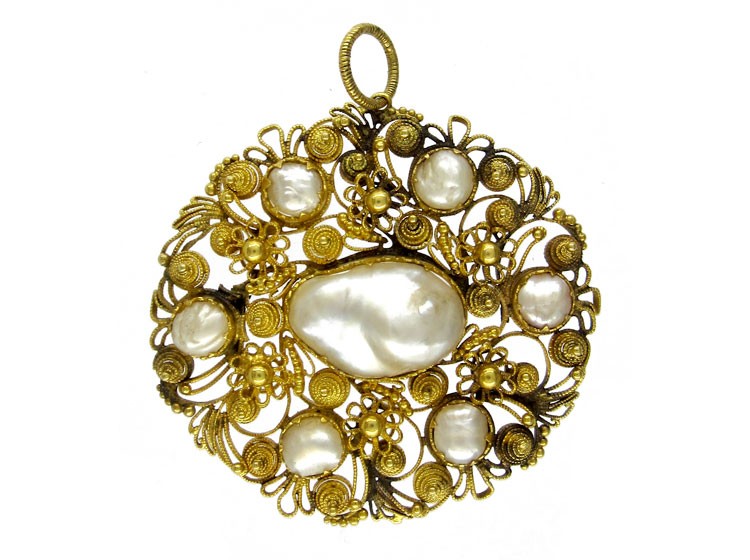
The Regency period, associated with the era of George IV as Prince Regent, embraced neoclassical design. Jewellery was inspired by ancient Greece and Rome — light, symmetrical and elegant rather than heavy or ostentatious.
Seed pearls suited this aesthetic perfectly:
- Their small size allowed for intricate scrolls and delicate clusters
- Their soft white glow complemented high-collared muslin gowns
- They paired beautifully with closed-back settings in 9ct and 18ct gold
During this period, most pearls were natural, sourced from rivers in Scotland or from the Persian Gulf. Because perfectly matched larger pearls were rare and extremely expensive, jewellers used seed pearls — often less than 2mm in diameter — to create elaborate surface decoration without the cost of large centre stones.
They were commonly set in floral motifs, crescents and starburst designs, reflecting both romantic symbolism and celestial themes popular at the time.
Victorian Sentiment & Symbolism (1837–1901)


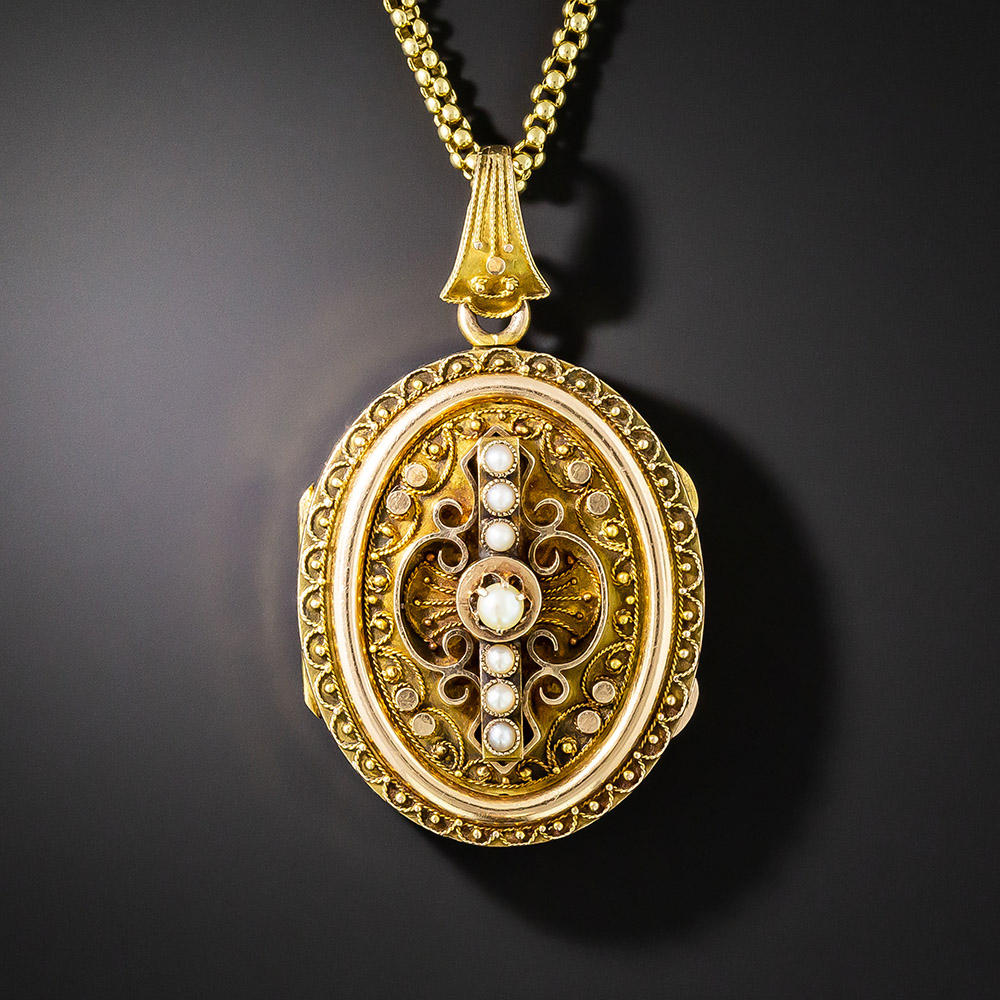
Under the reign of Queen Victoria, jewellery became deeply sentimental. Pieces were often given as tokens of love, remembrance or mourning.
Seed pearls became especially popular for several reasons:
1. Symbol of Purity & Innocence
Pearls were associated with purity, making them ideal for wedding jewellery and christening gifts. Their soft glow symbolised sincerity and virtue.
2. Mourning Jewellery
After Prince Albert’s death in 1861, Queen Victoria entered a prolonged period of mourning, influencing fashion across Britain. Seed pearls were frequently used in mourning jewellery, often surrounding woven hair compartments or set into black enamel as symbols of tears.
3. Accessibility & Craftsmanship
The Industrial Revolution improved jewellery manufacturing techniques. While still hand-set, seed pearl pieces became more widely available to the growing middle classes. They allowed jewellers to create luxurious-looking pieces without relying on large, costly gemstones.
4. Natural Materials & Romanticism
The Victorian era favoured natural motifs — flowers, leaves, stars and hearts. Seed pearls, being organic and softly luminous, perfectly embodied this romantic sensibility.
Why Seed Pearls Worked So Beautifully
Unlike larger pearls, seed pearls could be sewn or wired into intricate gold frameworks. They allowed for:
- Dense pavé-style surfaces before modern stone-setting techniques
- Lightweight yet visually rich designs
- Detailed halos around Garnet, Ruby or Turquoise centre stones
- Flexible construction in brooches and tiaras
Their subtle shimmer catches candlelight in a way that feels warm rather than flashy — ideal for intimate 19th-century social settings.
A Reflection of the Era
Seed pearl jewellery reflects more than decorative taste. It mirrors:
- A society rooted in symbolism
- Advances in global trade routes
- Growing middle-class aspiration
- Romantic and sentimental values
Because these pearls were natural (cultured pearls did not become commercially viable until the early 20th century), surviving examples today are entirely unique. Each tiny pearl formed organically over years — making antique seed pearl jewellery not just beautiful, but historically meaningful.
Why They Remain So Desirable Today
For collectors and lovers of antique jewellery, seed pearl pieces offer:
- Intricate hand craftsmanship
- Soft, wearable elegance
- Historical authenticity
- Romantic symbolism
Whether in a Regency crescent brooch or a Victorian cluster ring, seed pearls carry with them the quiet refinement of two extraordinary eras of jewellery design.
They are small — but they tell a very big story.