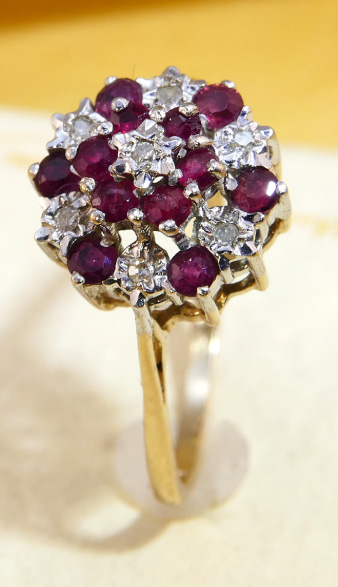


Carnelian in Jewellery: A Stone of Fire, Power & Enduring Style

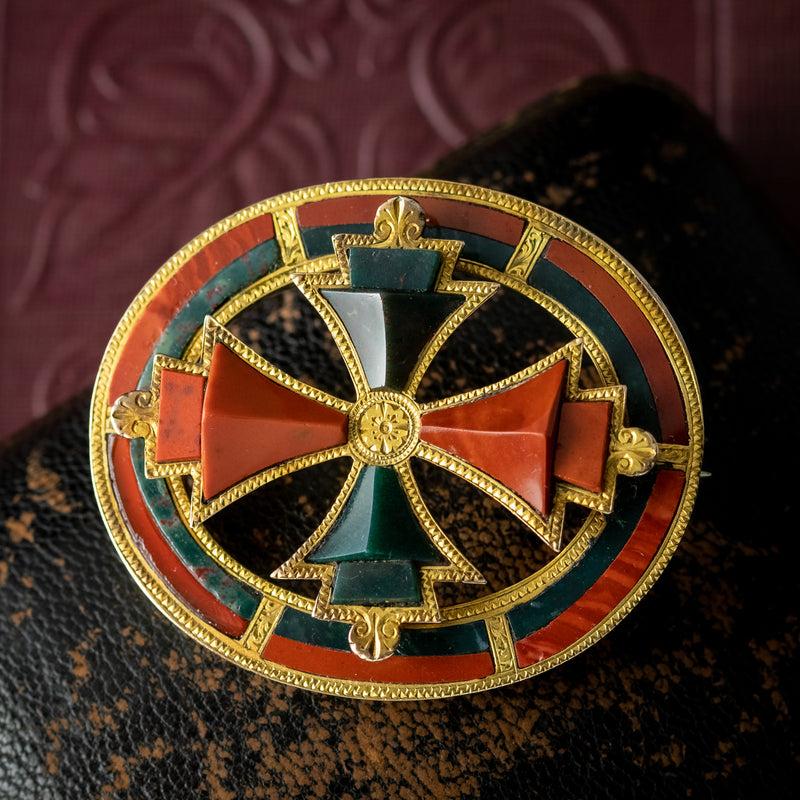
Carnelian—warm, glowing, and unmistakably rich in tone—has been prized in jewellery for thousands of years. With colours ranging from soft amber to deep burnt orange, this variety of chalcedony quartz has long symbolised vitality, courage, and protection. Its enduring appeal lies not only in its beauty, but in its remarkable ability to carry meaning across cultures and centuries.
Ancient Beginnings: Egypt & the Near East
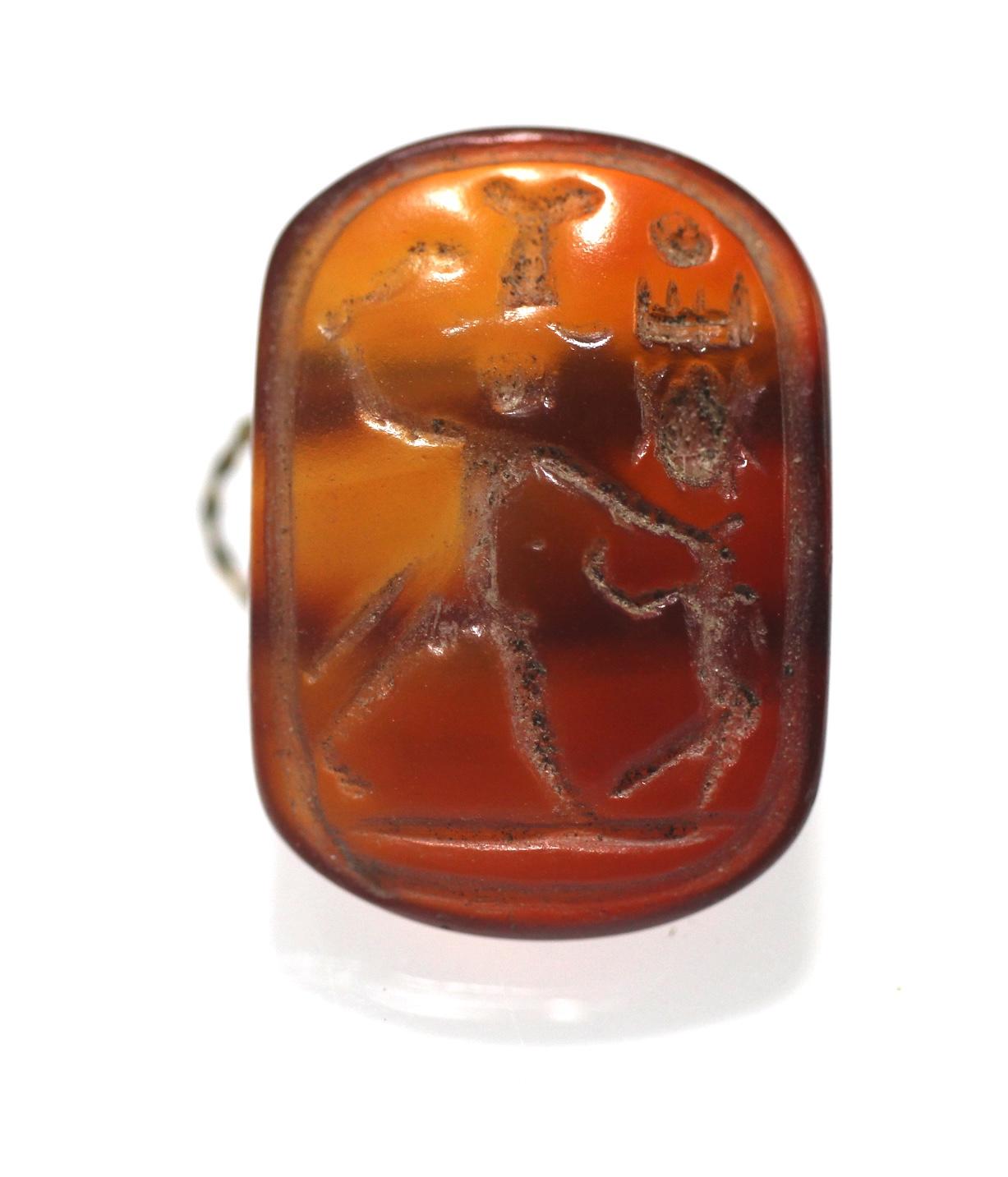 The story of carnelian begins in the ancient world, where it was one of the earliest gemstones used in adornment. In Ancient Egypt, carnelian was deeply associated with life force and rebirth. It was often called the “sunset stone,” believed to capture the warmth and energy of the sun god Ra.
Carnelian was widely used in amulets, beads, and inlaid jewellery, frequently placed within tombs to accompany the dead into the afterlife. It appears prominently in burial treasures, including those of Tutankhamun, where it was paired with gold and lapis lazuli to striking effect.
Beyond Egypt, carnelian was traded extensively throughout the Indus Valley and Mesopotamia, where skilled artisans produced beautifully polished beads and seals. Its durability made it ideal for carving, while its colour conveyed status and spiritual significance.
The Classical World: Greece & Rome
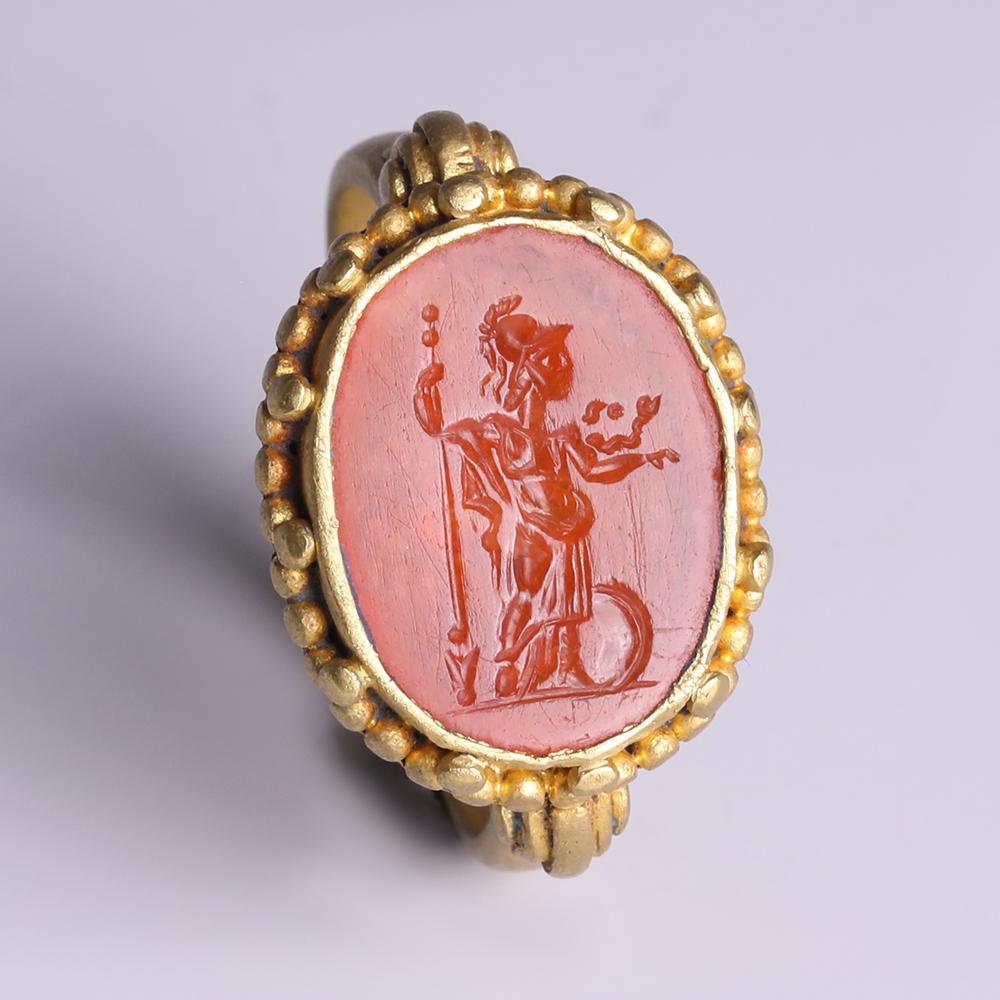 Carnelian’s popularity continued into the classical era, particularly in Ancient Greece and Rome, where it became a favoured material for signet rings and engraved gems.
Roman craftsmen mastered the art of intaglio carving—engraving designs into the surface of the stone. Carnelian was especially prized for this purpose because its hardness allowed for crisp detail, while its translucency gave depth to the engraving.
Signet rings made from carnelian were not merely decorative—they served as personal seals, pressed into wax to authenticate documents. This practical use elevated carnelian to a symbol of authority and identity, worn by statesmen, merchants, and military leaders alike.
The Middle Ages & Islamic World
During the Middle Ages, carnelian retained its reputation as a protective stone. It was believed to bring courage in battle and calm the temper. In the Islamic world, it held particular spiritual significance—tradition associates carnelian rings with the Prophet Muhammad, further enhancing its desirability.
Carnelian signet rings inscribed with calligraphy became popular across the Middle East, blending faith, artistry, and personal identity in a single piece of jewellery.
The Victorian Era: Revival & Romance
The 19th century saw a resurgence of interest in carnelian, particularly during the Victorian era, when archaeological discoveries reignited fascination with ancient civilisations.
Carnelian was widely used in brooches, lockets, and fobs, often carved or polished into smooth cabochons. Its warm tones complemented the rich gold settings of the time, creating jewellery that felt both historic and deeply romantic. Mourning jewellery occasionally incorporated carnelian, symbolising life and remembrance rather than loss.
 Art Deco & Modernist Design
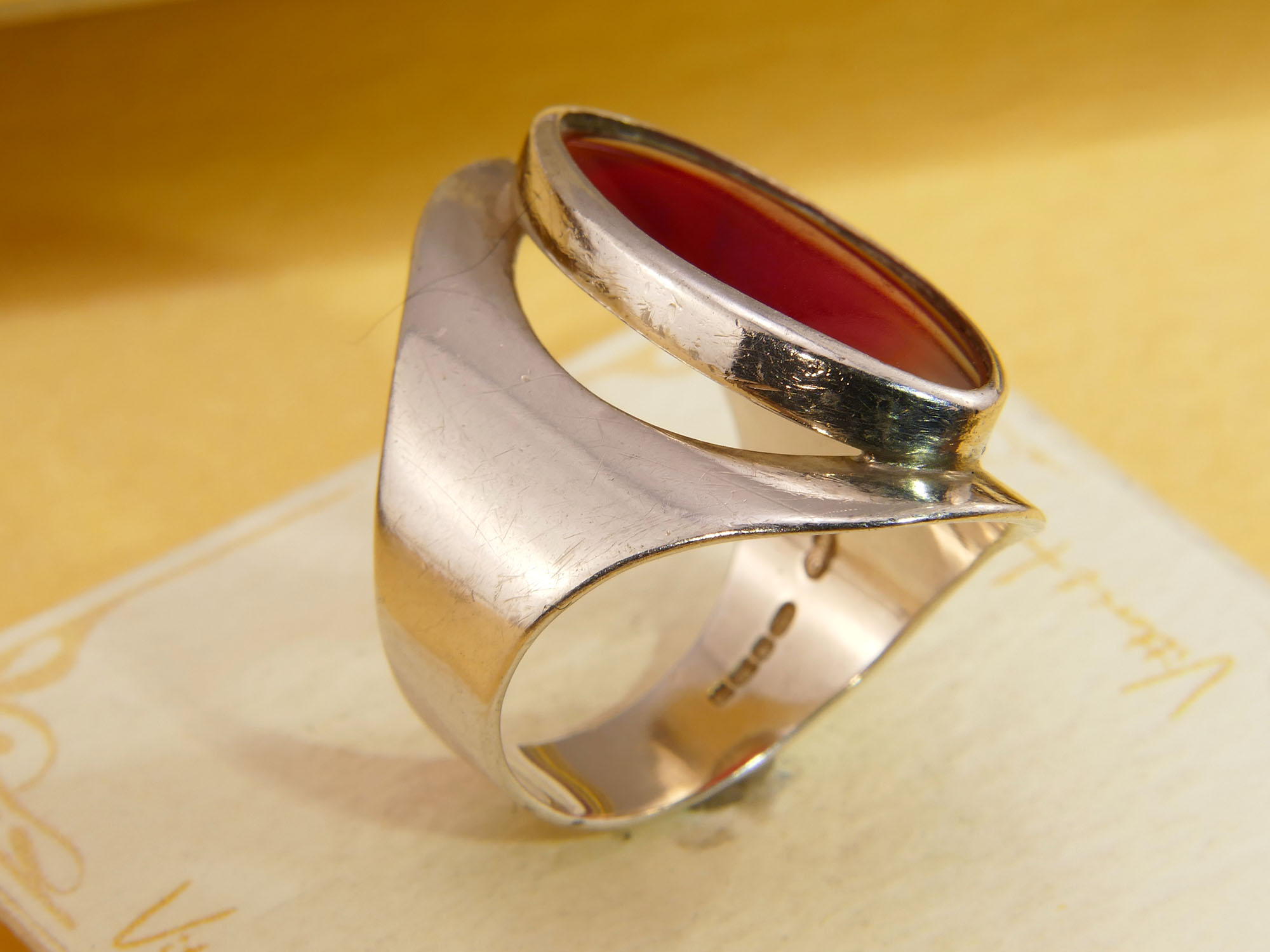
By the early 20th century, carnelian found a new identity within Art Deco jewellery. Its bold colour made it an ideal partner for the geometric designs and contrasting palettes of the period. Often paired with black onyx, diamonds, and platinum, carnelian added warmth and vibrancy to otherwise monochrome compositions.
Later, in the mid-century modernist movement, designers embraced carnelian for its organic richness. Large, sculptural cabochons were set into minimal gold forms, allowing the stone itself to take centre stage. This approach remains highly collectible today.
Carnelian Today: A Timeless Classic
Today, carnelian continues to be used in both vintage and contemporary jewellery. It is especially popular in statement rings, pendants, and earrings, where its colour can be fully appreciated.
Unlike many gemstones, carnelian remains relatively accessible, making it an appealing choice for collectors and designers alike. Its affordability, combined with its historical pedigree, gives it a unique position in the world of jewellery—luxurious in appearance, yet grounded in centuries of craftsmanship.
Why Carnelian Endures
What makes carnelian so enduring is its balance of beauty, symbolism, and practicality. It is tough enough for everyday wear, yet rich enough in colour to feel special. Across cultures, it has represented life, protection, authority, and warmth—meanings that still resonate today.
From the tombs of ancient Egypt to the showcases of modern jewellers, carnelian has never truly fallen out of favour. It remains, as it always has been, a gemstone of quiet power—glowing with the warmth of history itself.