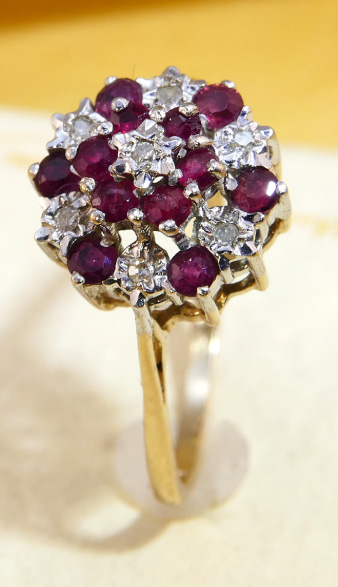


Costume Luxe: The Art of Imitation in Victorian & Art Deco Jewellery

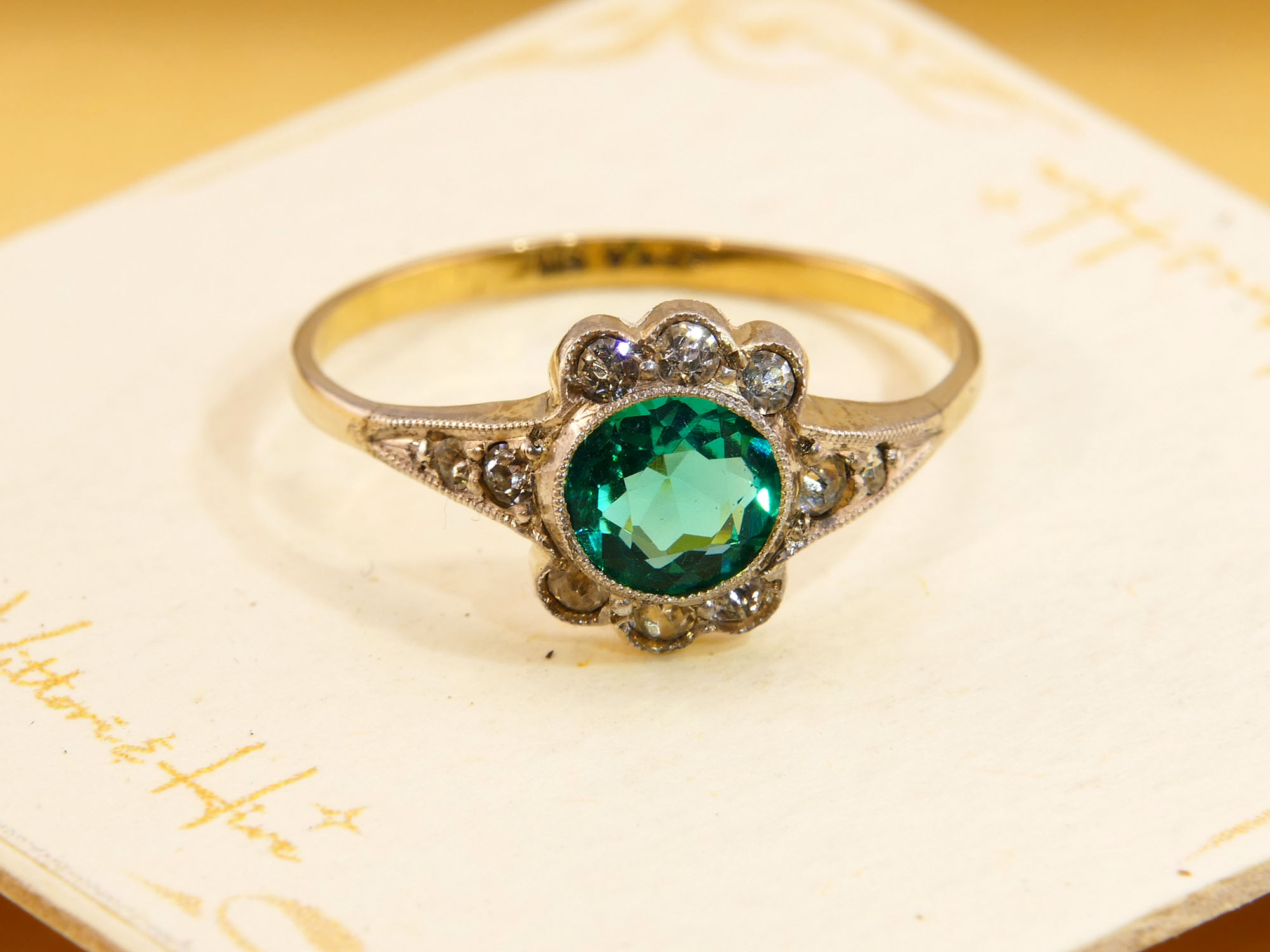
Costume luxe is one of jewellery history’s most fascinating contradictions—pieces designed to imitate the finest gemstones and precious metals, yet often admired today for their craftsmanship, ingenuity, and bold design. Far from being “cheap substitutes,” these jewels tell a story of changing fashion, accessibility, and innovation.
What Is Costume Luxe?
Costume luxe refers to jewellery made using paste glass (imitation gemstones) and gold-coloured base metals, designed to replicate the appearance of fine jewellery.
Rather than using Diamonds, Emeralds, or Rubies, jewellers turned to:
- Leaded glass “paste” stones with high brilliance
- Foiled backs to enhance sparkle
- Gilt, pinchbeck, or rolled gold to mimic solid gold
The result? Jewellery that looked luxurious—but was far more accessible.
Victorian Costume Luxe (1837–1901)
During the Victorian era, paste jewellery reached extraordinary levels of craftsmanship.
Why It Became Popular
- The Industrial Revolution made jewellery more widely available
- The growing middle class wanted the look of wealth
- Strict social etiquette required different jewellery for day vs evening
Paste stones were especially prized because:
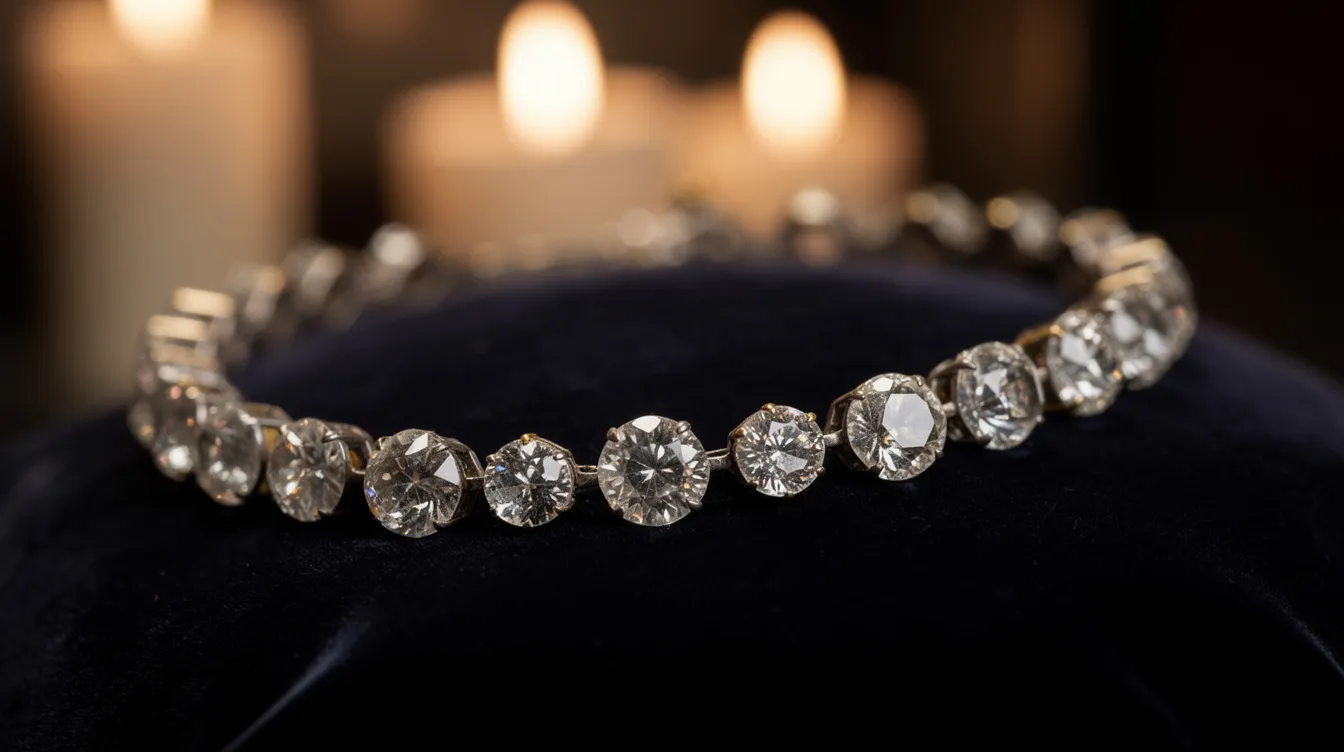
- They sparkled beautifully in candlelight
- They could convincingly imitate Diamonds
- They allowed for large, dramatic designs without the cost
Materials Used
- Paste glass: Often hand-cut and faceted
- Pinchbeck: A copper-zinc alloy resembling gold
- Gilt metals: Base metals coated in gold
Some high-end paste pieces were so convincing that they were worn by aristocracy while travelling—keeping real jewels safe at home.
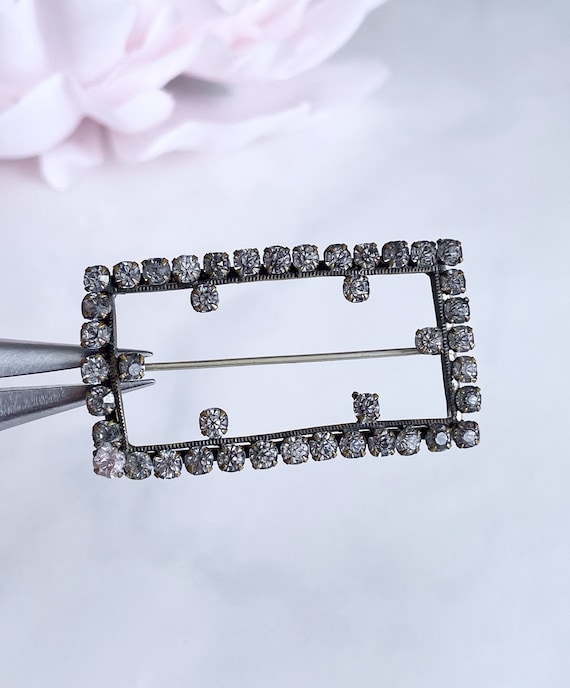
Art Deco Costume Luxe (1920s–1930s)
The Art Deco period transformed costume luxe into something far more modern and expressive.
Design Evolution
- Bold geometric shapes
- Symmetry and architectural influence
- Strong contrasts (clear stones with black enamel or onyx)
Paste stones evolved into what we now often call rhinestones, offering:
- High clarity and brilliance
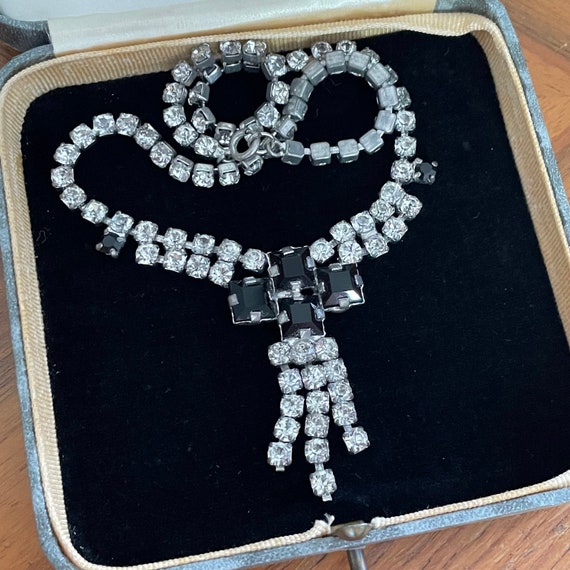 Precision machine cutting
- Consistent, repeatable designs
Why It Thrived
- The glamour of the Jazz Age demanded statement jewellery
- Hollywood films popularised dazzling, oversized pieces
- Costume jewellery became a fashion statement in its own right
Unlike Victorian pieces, Art Deco costume jewellery was less about imitation—and more about style, drama, and self-expression.
How Paste Glass Works
Paste is not ordinary glass. It is typically:
- High in lead content (similar to crystal)
- Cut with facets to reflect light like gemstones
- Often backed with foil to intensify brilliance
This combination gives paste stones a surprisingly diamond-like sparkle—sometimes even softer and more romantic than real stones.
Is Costume Luxe Valuable Today?
Absolutely—though value depends on several factors:
- Age: Georgian and Victorian paste pieces are highly collectible
- Condition: Foiling and settings must be intact
- Design: Bold Art Deco pieces are especially desirable
- Craftsmanship: Hand-cut stones and intricate settings add value
Typical values:
- Simple Victorian paste pieces: £50–£200
- High-quality antique paste jewellery: £200–£800+
- Exceptional or rare pieces: £1,000+
Art Deco costume pieces can also command strong prices, particularly signed or well-designed examples.
Why Collect Costume Luxe?
Collectors and jewellery lovers are increasingly drawn to costume luxe because:
- It offers historic craftsmanship at accessible prices
- Designs are often larger and more expressive than fine jewellery
- Each piece reflects the social and cultural shifts of its era
- It provides a sustainable way to enjoy vintage luxury
Most importantly, these pieces prove that beauty in jewellery is not just about intrinsic value—but about design, light, and artistry.
A Final Thought
Costume luxe challenges the traditional hierarchy of jewellery. What was once created as imitation is now appreciated as authentic history in its own right.
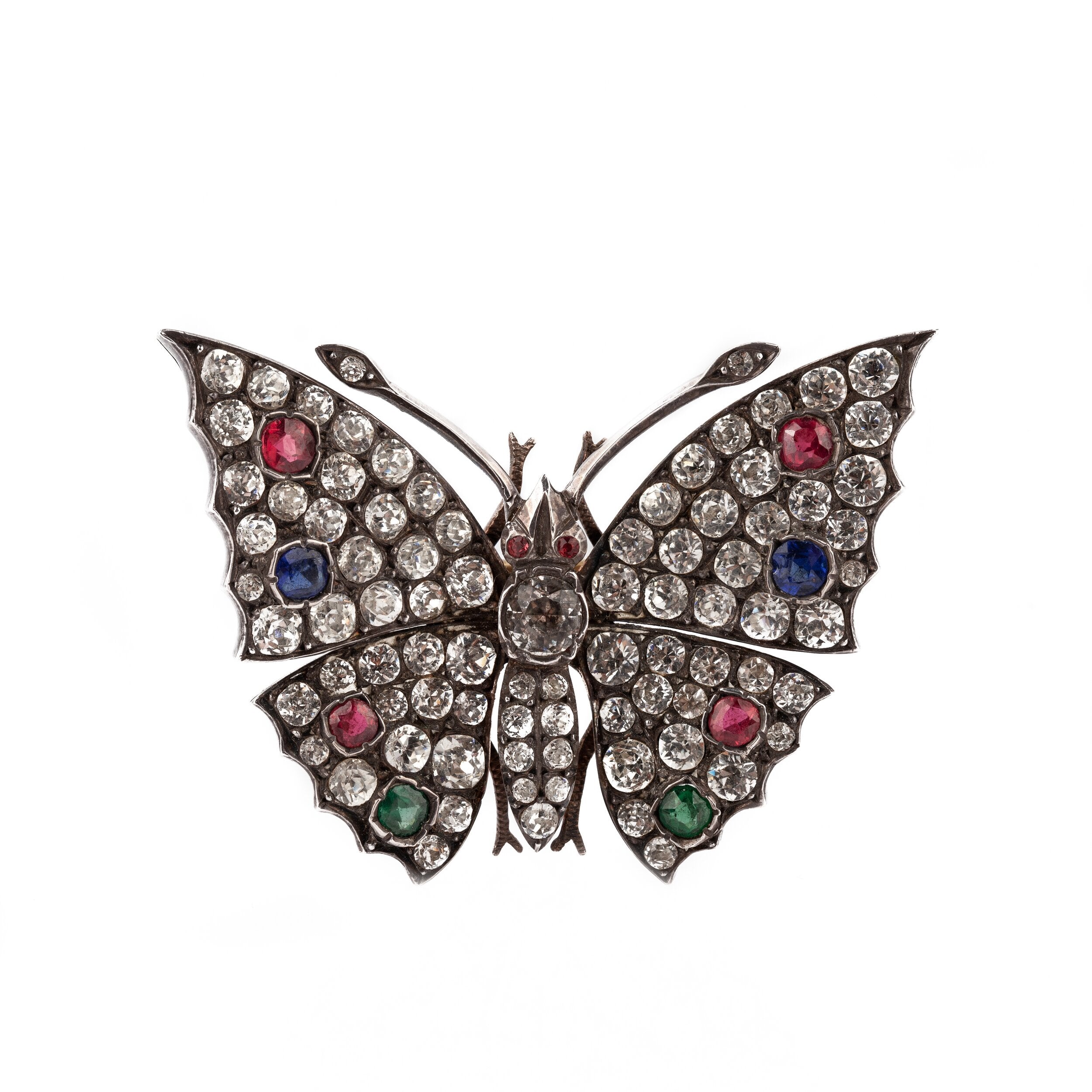
Whether it’s a candlelit Victorian paste brooch or a bold Art Deco rhinestone clip, these pieces continue to shine—not because they pretend to be something else, but because they capture the spirit of their time so perfectly.